✨ New Arrivals Just Dropped!Explore



60cm Common Hawthorn Hedging | Crataegus monogyna | Bare Root
- Commonly known as Mayflower, this native deciduous hedge is a haven for wildlife, supporting over 150 species.
- Features fragrant white flowers in spring, followed by vibrant red berries (haws) in autumn.
- Its dense, thorny branches provide an intruder-proof barrier and a safe nesting site for birds.
- A robust, fast-growing plant that is resilient in windy, exposed, and coastal locations.
- Recognised by the RHS as a 'Plant for Pollinators', making it a superb choice for bees and butterflies.
Product Specifications
- Height on Arrival: 45-60cm
- Eventual Height: 8m
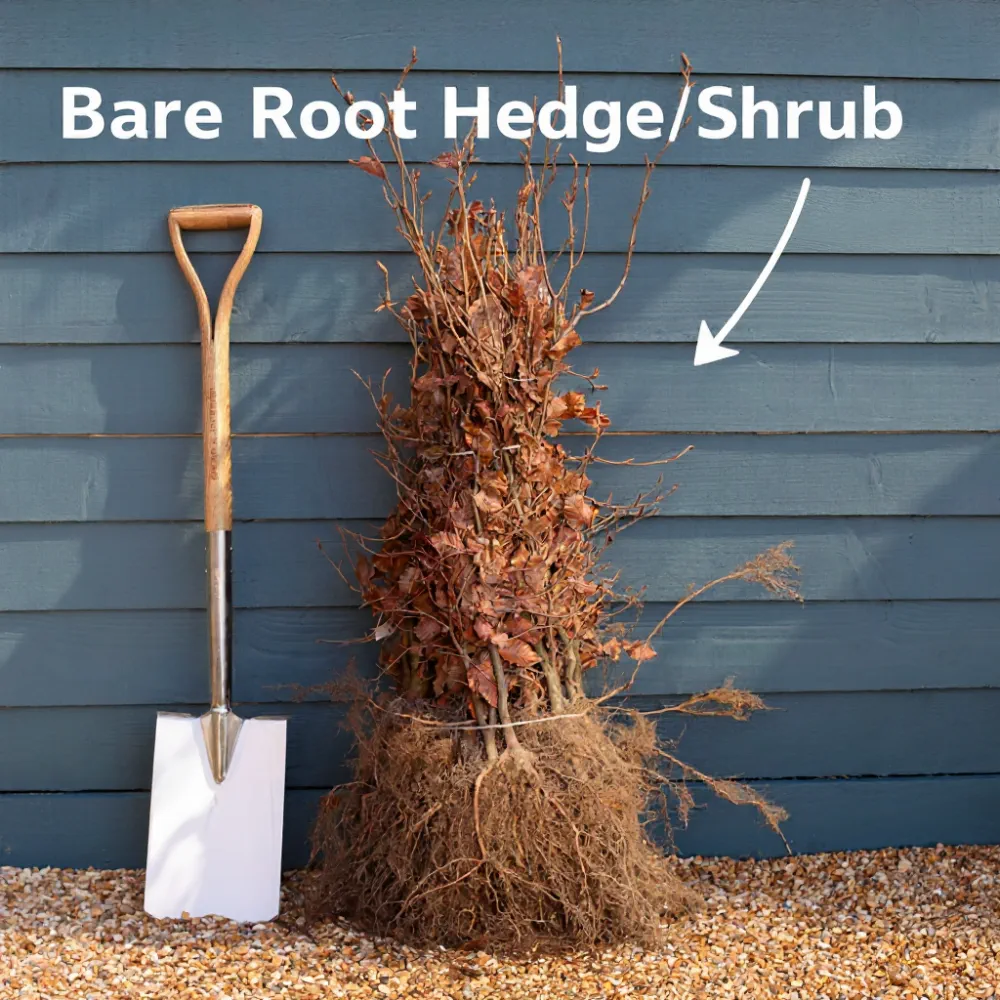
- Supplied As: Our bare root plants are lifted fresh from the field and packed straight away. You can be sure they will be fresh when they arrive. In winter, you can store for several weeks if kept in a cool, dark spot. Later in spring, when the temperature rises, you will want to plant within a few days of arrival.
$4.20
Original: $11.99
-65%60cm Common Hawthorn Hedging | Crataegus monogyna | Bare Root—
$11.99
$4.20Product Information
Product Information
Shipping & Returns
Shipping & Returns
Description
- Commonly known as Mayflower, this native deciduous hedge is a haven for wildlife, supporting over 150 species.
- Features fragrant white flowers in spring, followed by vibrant red berries (haws) in autumn.
- Its dense, thorny branches provide an intruder-proof barrier and a safe nesting site for birds.
- A robust, fast-growing plant that is resilient in windy, exposed, and coastal locations.
- Recognised by the RHS as a 'Plant for Pollinators', making it a superb choice for bees and butterflies.
Product Specifications
- Height on Arrival: 45-60cm
- Eventual Height: 8m
- Supplied As: Our bare root plants are lifted fresh from the field and packed straight away. You can be sure they will be fresh when they arrive. In winter, you can store for several weeks if kept in a cool, dark spot. Later in spring, when the temperature rises, you will want to plant within a few days of arrival.